
Roof Repair vs. Replacement: Making the Right Choice

Making the Right Choice for Your Home

Deciding between roof Repair vs. replacement is a critical decision for homeowners. This comprehensive guide will help you navigate this decision with confidence. For more information on

typically, evaluation of thermals is crucial as the temperature changes often influence the roof repair vs. replacement decision, affecting the longevity of different types of shingles. generally, age of panels necessitates attention, indicating whether preventative maintenance or structural overhaul is necessary under the roof repair vs. replacement guideline, targeting cost-effectiveness. constantly, assessment of leaks urges professionals to investigate, because early detection plays a pivotal role in the roof repair vs. replacement debate, determining repair solutions. importantly, cost of repairs often sways homeowners, as budget considerations become central in the roof repair vs. replacement discussion, emphasizing return on investment.

roof repair vs. replacement

efficient roof repair considerations involve the durability of modern materials, which significantly benefit the homeowners. successful roof replacement options often highlight the cost-effectiveness, playing a crucial role for property managers. practical lifetime of roofs typically emphasize the longevity, attracting attention from residential developers. strategic decision-making in Roofing clearly defines the investment value, appealing primarily to commercial stakeholders. valuable insight into materials usually reveals their sustainability, engaging environmentally conscious clients.

click here.

Understanding Roof Repair

Roof repair involves fixing specific areas of damage or wear on your roof, making it a more cost-effective and quicker option compared to a full replacement.

benefits of Roof Repair:

  • Cost-Effective: Often cheaper than a full replacement.
  • Quick Fixes: Repairs can usually be completed swiftly, minimizing disruption.
  • Prolongs Roof Life: Regular maintenance and repairs can extend the life of your roof.

When to Consider Roof Repair:

  • Minor Damage: Limited to a small area or a few shingles.
  • Recent Installation: If your roof is relatively new and still under warranty.
  • Budget Constraints: If a full replacement isn’t financially feasible at the moment.

Common Roof Repairs:

  • Shingle Replacement: Replacing a few damaged or missing shingles.
  • Leak Repairs: Fixing small leaks to prevent water damage.
  • Flashing Repairs: Repairing or replacing the flashing around chimneys, vents, and skylights.

Understanding Roof Replacement

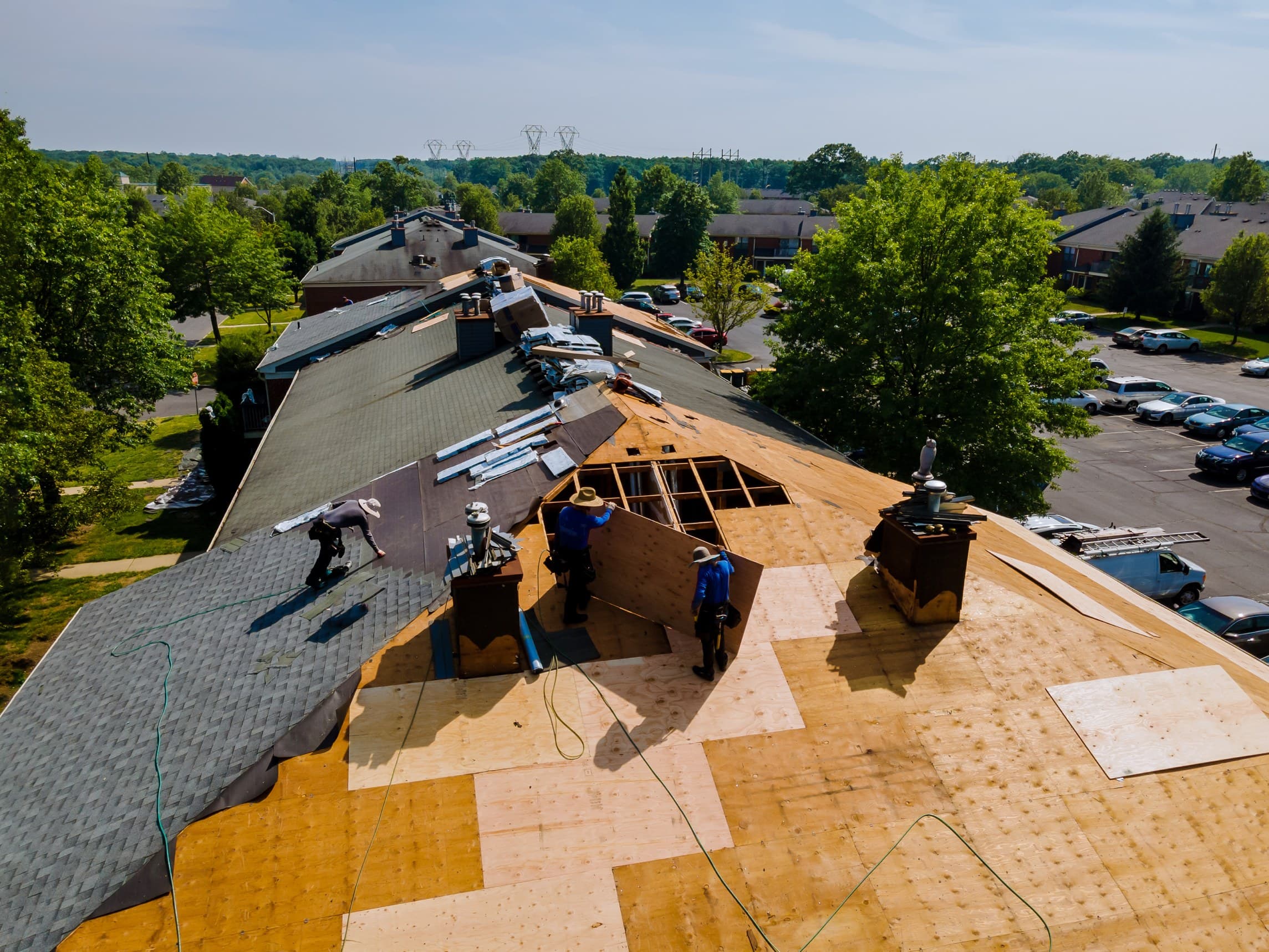
Roof replacement involves removing the existing roof and installing a new one. This process is more extensive and expensive but is often necessary for older roofs or severe damage. Learn more about the

cost-effective roof restoration is a critical consideration for durability and longevity. typically, shingle damage should always precede the decision of roof repair vs. replacement, depending on the extent of the deterioration. furthermore, re-roofing options are vital for ensuring the stability of your home structure. ultimately, total replacement may be necessary to enhance the overall building safety and prevent further interior damage.

benefits of roof repair

initially, roof replacement costs can become significantly higher for homeowners experiencing severe weather conditions frequently, affecting overall longevity. subsequently, minor roof repair actions are often necessary when dealing with localized damage like broken shingles. additionally, choosing the right contractor for the job is crucial, ensuring that the workmanship quality meets industry standards. furthermore, the decision process between repair or replacement requires careful consideration of factors such as age and previous maintenance. finally, the life expectancy of a new roof generally extends much further than periodic repairs, providing greater long-term value.

process.

Benefits of Roof Replacement:

  • Long-Term Solution: Provides a fresh start and can last 20-30 years or more.
  • Increased Home Value: A new roof can significantly boost your home’s curb appeal and resale value.
  • Improved Energy efficiency: Modern roofing materials can enhance your home’s energy efficiency.

When to Consider Roof Replacement:

  • Extensive Damage: If more than 30% of your roof is damaged.
  • Old Roof: If your roof is nearing the end of its lifespan (typically 20-25 years for asphalt shingles).
  • Frequent Repairs: If you find yourself constantly needing repairs, a replacement might be more cost-effective in the long run.

Steps in Roof Replacement:

  1. Inspection and Estimate: A thorough inspection and an estimate of costs and materials.
  2. Removal of Old Roof: Stripping away the existing roofing materials.
  3. Repairing the Decking: Fixing any damage to the underlying roof structure.
  4. Installation of New Roof: Applying new roofing materials and ensuring proper insulation and ventilation.

Discover the advantages of

many homeowners wonder about roof repair vs. replacement when facing water leaks, which can lead to significant damage if ignored. every roof lifespan can influence the decision between repair or total replacement to ensure structural integrity over time. choosing between patching damaged areas or undertaking a full roof overhaul involves assessing the degree of wear and potential risks. usually, material quality plays a crucial role in deciding whether to repair or replace, impacting the overall durability and safety. perhaps cost considerations also dictate the choice between minor fixes and a complete roof replacement, balancing budget constraints with long-term benefits.

common roof repairs

efficient roof replacement projects are cost-effective solutions for homeowners. often minor repairs must be considered before making decisions. durability of shingles is an essential factor in longer lifespan evaluations. crucial structural integrity assessments help in analyzing repair needs. reliable professionals recommend suitable materials for climate resilience.

today.

Factors to Consider When Deciding

Roof Age:

The age of your roof is a crucial factor. Most roofing materials have a specific lifespan, and if your roof is approaching or has exceeded this period, replacement is usually the best option.

Extent of Damage:

Assess the severity and spread of the damage. Minor issues can be fixed with repairs, but widespread problems typically necessitate a replacement.

Cost Implications:

Compare the costs of repeated repairs versus a one-time replacement. Sometimes, investing in a new roof can be more economical over time.

Energy Efficiency:

New roofing technologies offer improved insulation and energy efficiency. If your current roof is outdated, replacing it can lead to substantial savings on energy bills.

Understand the key factors of deciding between roof repair or replacement.

Case Studies: Roof Repair vs. Replacement

Minor Leak in a New Roof:

Situation: A relatively new roof with a small leak.
Solution: A quick and inexpensive repair to fix the leak.
Outcome: The repair extends the roof’s life without significant expense.

Multiple Leaks in an Old Roof:

Situation: An old roof with multiple leaks and signs of wear.
Solution: Full roof replacement to ensure long-term protection.
Outcome: The new roof enhances home value and reduces the likelihood of future issues.

Storm Damage:

Situation: Significant damage from a storm, affecting large portions of the roof.
Solution: Depending on the extent of the damage, either targeted repairs or a full replacement may be necessary.
Outcome: Ensures the home is safe and protected from further weather damage.

Pros and Cons: Roof Repair vs. Replacement

Pros of Roof Repair:

  • Lower Initial Cost: Repairs are generally less expensive upfront.
  • Less Disruption: Repairs can be completed quickly, causing minimal disturbance.

Cons of Roof Repair:

  • Temporary Fix: Repairs may only be a short-term solution.
  • Frequent Maintenance: Ongoing repairs may be necessary, adding up in cost.

Pros of Roof Replacement:

  • Long-Term Solution: A new roof offers a lasting solution and peace of mind.
  • Enhanced Aesthetics: Improves the overall look and value of your home.

Cons of Roof Replacement:

  • Higher Initial Cost: The upfront cost is significantly higher.
  • Longer Process: Replacement takes more time and can be more disruptive.

Frequently Asked Questions (FAQs)

How do I know if I need a roof repair vs. replacement?

Evaluate the age of your roof, the extent of the damage, and your long-term plans for your home. A professional inspection can provide a clearer picture.

What is the average lifespan of a roof?

Most roofs last between 20-25 years, but this can vary based on the material and local weather conditions.

How much does it cost to repair a roof?

The cost can vary widely depending on the type and extent of the repair needed. Minor repairs may cost a few hundred dollars, while more extensive repairs can run into the thousands.

How much does a roof replacement cost?

Roof replacement costs depend on the size of the roof, the materials used, and labor costs. On average, a new roof can cost anywhere from $5,000 to $15,000.

Can I repair my roof myself?

While minor repairs might be manageable for a DIY enthusiast, it’s often best to hire a professional to ensure the job is done correctly and safely.

How long does a roof repair take?

Most roof repairs can be completed in a day or two, depending on the complexity of the work.

How long does a roof replacement take?

A full roof replacement typically takes about a week, but this can vary based on the size and complexity of the roof.

Will insurance cover roof repairs or replacement?

It depends on your insurance policy and the cause of the damage. Check with your insurance provider to understand your coverage.

What materials should I choose for a new roof?

The best material for your new roof depends on your budget, climate, and aesthetic preferences. Common options include asphalt shingles, metal, and tile.

How can I maintain my roof after repairs or replacement?

Regular inspections, cleaning gutters, and removing debris can help maintain your roof’s condition and extend its lifespan.

Conclusion

Deciding between roof repair vs. replacement involves considering several factors, including the age of your roof, the extent of damage, and your budget. While repairs offer a quick and cost-effective solution, a full replacement provides a long-term fix and can enhance your home’s value and efficiency. By understanding the differences and assessing your specific situation, you can make an informed decision that ensures the safety and longevity of your home.

For expert advice and quality roofing services, trust Savage Roofing. Whether you need minor repairs or a complete roof replacement, our experienced team is here to help. Contact us today for a free quote and personalized consultation.
Should I Link a Page to Itself? Internal Linking for SEO

In the intricate world of SEO and website navigation, every element on your page can influence user experience and Search engine rankings. One question that often arises is whether it’s beneficial or even advisable to link a page to itself. Let’s dive into this query to understand the implications and

Innovatively pondering over self-linking as a navigational aid, search engine optimization, should I link a page to itself? impacts user experience positively by improving page understanding. Interestingly, considering internal linking strategy through the indexing by search engines, should I link a page to itself? affects crawl efficiency significantly by enhancing link equity. Essentially, questioning the redundancy in hyperlink creation concerning page ranking, should I link a page to itself? influences SERP performance subtly by promoting content discoverability. Significantly, evaluating the usefulness with regards to bounce rate in analytics measures, should I link a page to itself? shapes user engagement deeply by fostering site navigation. Normally, analyzing the potential decrease in duplicate content on website structure optimization, should I link a page to itself? alters SEO strategy dramatically by decreasing content duplication.

explore now

Should you consider whether to link a page to itself, ask about the relevance of internal linking practices in enhancing overall site architecture. Indeed, can hyperlinking a page back to the same location increase the user's navigation ease, given the usual interaction patterns seen in web usability studies. Many experts discuss the potential SEO implications of such strategies, exploring whether it might impact crawl efficiency or indexation rates. Every professional will note the importance of understanding the contextual links within a page's content, ensuring that the strategy aligns with user experience goals. However, is it necessary for maintaining link equity, a concept vital in ranking algorithms. Surprisingly, should one implement self-referencing links, experts suggest examining page authority distribution to predict potential gains. Sometimes, does an internal link to the same page contribute positively, considering the coherence it might bring to thematic consistency. Typically, would creating a loop cause confusion among users, challenging the clarity of website structure. Automatically, must SEOs evaluate the redundancy of such links, checking if they add any real value. Finally, will such a practice align with the goals of enhancing usability and supporting intricate site structures? Clearly, do the cycles of page references interfere with user engagement metrics, as observed in analytics reports. Overall, linking a page to itself should be evaluated carefully, taking into account the specific objectives of the website and user behavior patterns.

Understanding Self-Referential Links

What Are Self-Referential Links?

Self-referential links occur when a webpage contains a hyperlink that points back to itself, either directly through the same URL or via a redirected link. This might happen intentionally or accidentally, and understanding its impact is crucial for maintaining an optimal site structure.

The Pros of Linking a Page to Itself

Reinforcement of Page Relevance

  • SEO Benefit: When used sparingly, self-links can emphasize the relevance of a page regarding specific keywords, potentially aiding in SEO efforts.

Improved User Navigation

  • Anchor Texts: Self-referential links can be useful if they help users navigate a long page. For instance, returning to the top of the page or highlighting a section in a sidebar can enhance user experience.

The Cons of Linking a Page to Itself

User Confusion

  • Navigation Clutter: Links that lead users to the same page they are currently viewing can cause confusion and may lead to a poor user experience.

SEO Dilution

  • Wasted Link Equity: In SEO, each link on a page distributes some of the page’s authority to other pages. A self-referential link might waste this valuable link equity, diverting it away from other, more useful pages.

Best Practices for Self-Referential Links

Use With Clear Intent

  • Navigational Aid: Ensure that self-links serve a clear purpose, such as aiding navigation or emphasizing a section of a long article.

Avoid Overuse

  • Minimal Implementation: Use self-referential links sparingly to avoid dilution of link equity and potential negative impacts on user experience.

Ensure Clarity in Design

  • User-friendly Interface: Clearly mark any self-referential links to avoid confusion, ensuring they contribute positively to the site’s navigability.

Alternatives to Self-Referential Links

Table of Contents

  • Navigational Tool: Instead of linking back to the same page, use a table of contents with anchored links to different sections of the page.

Footer Links

  • End-of-Page Navigation: Provide links in the footer to guide users to other relevant pages instead of looping them back to where they started.

Conclusion

Linking a page to itself can be useful in certain contexts, particularly when improving navigation or emphasizing specific content. However, it’s crucial to implement this practice judiciously to avoid potential pitfalls such as user confusion or SEO dilution. By adhering to best practices and considering alternative navigation methods, you can ensure that your website remains user-friendly and SEO-optimized.

6 Good Reasons Why You Need To Switch Over To Solar

Economize And Make Hard Earned Money

As opposed to popular opinion, making the swap to solar doesn’t have to break the bank and can perhaps even put hard earned money back into your wallet!The second you make the swap to solar energy, you essentially use the power that you generate and, when you do use energy from the network, you can aim to do so when the energy is at its most affordable. Solar Info Here Integrated Solar PV Panels

Decrease Your Influence on The Planet

The electrical energy that your solar panels develop is one hundred% clean and sustainable and calls for no burning (on our World anyway!) which means there are no emissions of damaging greenhouse gases released. On the other hand, the energy from power stations may be obtained from burning coal.

Autonomy from the Grid

Power fees have certainly never been bigger, and as buyers we’re never quite confident when the next rate hike is going to be put into effect, sending our private budget plans and financial plans into disarray.When you turn to solar, you disconnect yourself from the psychological worry of unpredicted price hikes.

Govt Rewards and Aid

Simply because of the initiatives of the State to reduce the extent of environmental change, and the multiple sustainability targets that they must accomplish, there are now significant enticements to switch to solar power at home. More Integrated roof solar panels

Home Worth Boost

When solar energy panels first began being installed on domestic roof tops, a lot of property owners were concerned about decreasing the value of their home – after all, a solar power array isn’t the most beautiful thing to have ever adorned the top of a property.
These days however, as a result of ever climbing energy prices, as well as an increased awareness of environmental responsibility and protecting our planet, this assumption has changed, with the addition of solar photovoltaic cells on a rooftop adding to the market value of a residential property.

Low Maintenance Technology

solar panels in reality only require a quick evaluation every calendar year to guarantee they’re functioning optimally. It’s also good to make sure the solar panels are kept spotless and aren’t overshadowed by trees – do this, and your solar power panels ought to last well over 20 years.

As you’ll now recognize, it is now easier than ever before to change to solar power. Click on this link now Solar panel Installation Doncaster

Quick Response Guide for Emergency Roof Repair

Emergency Roof Repair

Essential Steps for Swift Response to Roofing Emergencies

Identifying the Emergency

Upon discovering immediate and evident roof issues such as check this out water leaks or structural damage, it’s crucial to act swiftly to prevent further damage.

Initial Actions

  1. Inspect the Property: Conduct a thorough examination to identify signs of damage.
  2. Document the Damage: Gather photos, videos, and important details for insurance claims.
  3. Temporary Measures: Use tarps to cover areas with significant damage to prevent water ingress.
  4. Temporary Fixes: Address loose or damaged shingles promptly using adhesive or roofing nails.

Seeking Professional Assistance

For major damages, it’s advisable to contact emergency roofing Repair specialists to ensure effective and quick resolution.

Insurance Claims Process

Initiate communication with your insurance provider promptly, providing comprehensive documentation for smoother claims processing and faster payouts.

Choosing Suitable Materials for Quick Repairs

Importance of Durable Materials

Selecting durable materials that withstand weather elements is crucial for rapid roof repair to restore roof integrity swiftly.

Understanding Cost-Benefit of Emergency Repairs

Assessing Financial Implications

Considering the potential long-term costs of delaying repairs against immediate expenses highlights the importance of timely action.

Early Detection and Prevention

Early identification of issues and immediate repairs can significantly reduce repair costs and prevent structural damage, preserving home value.

Consulting Professionals

Professional roof repair teams can provide insights on necessary repairs, associated costs, and preventative measures to optimize repair outcomes and minimize expenses.

Importance of Timely Response

Swift Action for Damage Control

Emphasizing the value of prompt response to roof damage, including weather-induced damage, leaks, or pest intrusion, to prevent further issues.

Utilizing Emergency Roofing Services

engaging emergency roofing repair services ensures quick and efficient resolution of incidents, maintaining safety and aesthetic appeal of homes.

Ensuring Quality Roof Repair for Home Protection

Entrusting Reliable Roofing Companies

Securing the future of homes by relying on professional roofing repair companies for swift reaction times and quality repair work.

Extending Lifespan of Roofing Systems

Proper attention to roofing concerns and maintenance extends the lifespan of roofing systems, ensuring a safe and comfortable living space and preserving home value.

Managing Financial Stress of Emergency Repairs

Understanding Financial Aspects

Familiarizing with cost-efficient methods and insurance processes alleviates financial stress associated with unexpected roof repairs.

Prioritizing Affordable Solutions

Exploring options such as affordable roof repair and emergency leak repair helps navigate emergency situations effectively.

By adhering to these guidelines, homeowners can effectively address roofing emergencies, minimize financial burdens, and ensure the long-term protection and value of their homes.

The Impact of Rising Construction Loan Interest Rates on New Homeowners

For many, the dream of building a home from the ground up is a lifelong aspiration. The ability to customize every detail, design every room, and create a space that perfectly suits one’s lifestyle is a tantalizing prospect. However, the dream of home ownership is becoming increasingly challenging due to the rise in construction loan interest rates. These higher rates are making it more difficult for prospective homeowners to build their dream homes, with a range of negative consequences for both individuals and the housing market as a whole.

Understanding Construction Loans

Before delving into the impact of rising interest rates, it’s essential to understand what construction loans are and how they work. Construction loans are short-term loans that fund the construction of a new home. Unlike traditional mortgages, which are paid out in a lump sum to purchase an existing property, construction loans are typically disbursed in stages as the home is built. These loans often come with variable interest rates, which can pose a challenge when rates are on the rise.

The Impact of Rising Interest Rates

1. Increased Costs: When construction loan interest rates increase, it directly affects the cost of building a new home. Even a small uptick in interest rates can translate into thousands of additional dollars in interest payments over the life of the loan. this can strain the budgets of prospective homeowners and potentially force them to compromise on the design or features of their dream home.

2. Slower Construction: Higher interest rates can also slow down the construction process. Prospective homeowners may need to delay certain phases of construction or make cost-cutting decisions to manage their budgets. Slower construction can result in increased labor and material costs, further exacerbating the financial strain.

3. Limited Affordability: The dream of building a custom home is often seen as a luxury, but for many, it’s a necessity based on their specific needs or location preferences. As construction loan interest rates rise, it becomes increasingly unaffordable for individuals and families to create the spaces that suit their lifestyle, potentially driving them to make compromises that they may later regret.

4. Impact on the Housing Market: The rising construction loan interest rates are not only affecting individual homeowners but also have broader implications for the housing market. As more people are priced out of building their dream homes, the demand for existing homes may increase, potentially driving up prices. This can create a vicious cycle, where increasing interest rates lead to higher prices in the existing home market, further limiting affordable options for potential homeowners.

Mitigating the Impact Here: construction loan lenders

Despite the challenges posed by rising construction loan interest rates, there are several strategies that aspiring homeowners can employ to mitigate these issues:

1. Locking in Rates: Some lenders offer the option to lock in an interest rate for a specified period, typically 30 to 60 days. This can provide some protection against rising rates during the construction process.

2. Planning and Budgeting: Thorough planning and budgeting are essential when building a custom home. Homeowners should work closely with builders and lenders to ensure they have a clear understanding of their financial commitments and make informed decisions.

3. Exploring Alternative Financing: Exploring alternative financing options, such as personal loans, HELOCs (Home Equity Lines of Credit), or tapping into savings, can help reduce reliance on construction loans and their variable interest rates.

Conclusion

Building a custom home is a cherished dream for many, but the dream is increasingly challenged by rising construction loan interest rates. These higher rates can result in increased costs, slower construction, and limited affordability, affecting not only individual homeowners but also the broader housing market. To overcome these challenges, prospective homeowners should take a strategic approach to financing and construction planning. Additionally, policymakers and financial institutions should consider measures to make custom home construction more accessible to a wider range of individuals, ensuring that homeowners can still achieve their dreams even in the face of rising interest rates.