
 by
by Most Durham homeowners assume that a tree on their own property is theirs to remove whenever they choose. It’s a reasonable belief, but Durham’s tree ordinance tells a different story.
Under Durham’s Ordinance 228-05, cutting down a tree larger than five inches DBH without a valid permit is a code violation. That threshold catches a lot of people off guard. Violations are subject to fines, and Durham places that responsibility squarely on the homeowner, not the tree service company. Local crews like the Triangle Tree Services team know Durham’s ordinance well enough to guide the permit process from the start, which is typically far less stressful than figuring it out after the fact.
Understanding Durham’s tiered permit categories
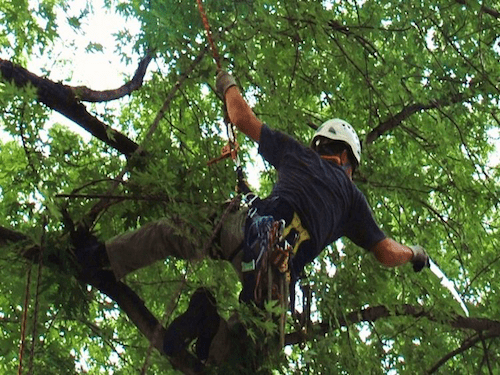
Durham uses a tiered permit system with categories labeled A through H, each covering a different removal scenario. The permit type is determined by a combination of tree size, condition, and the reason for removal.
Type A permits cover trees that are dead or obviously diseased — generally the most straightforward to obtain. A tree that’s structurally compromised and poses a credible risk falls under the Type B category. Adding a deck or extending a structure that requires removing a tree triggers a Type C permit, which is tied to the building permit process.
Type E applies to the biggest trees and introduces a formal review process along with a mitigation requirement, meaning a replacement tree may need to be planted or a fee paid into the city’s Tree Mitigation Fund. For homeowners dealing with a large, mature tree, this category is where the process can become time-consuming and costly.
The permit rules that go beyond your own backyard
Private property permits are only part of the picture in Durham. Street trees — those growing within the city’s right-of-way along the road — are maintained by Durham’s Urban Forestry Division and are subject to their own process.
Homeowners in Durham’s local historic districts face an additional layer of review. Contractors who don’t regularly work in Durham may not be aware of this layer, which can cause delays and unexpected complications.
The stump question — and why it matters for permits too
Once the removal is done, the stump remains, and it creates its own practical and logistical considerations. The permit applicant is required to notify the City of Durham once the tree has been removed.
Most homeowners focus on getting the tree down and don’t give much thought to the stump until it’s sitting in the middle of their lawn. Untreated stumps attract wood-boring insects, create a hazard in the lawn, and complicate replanting or landscaping in that area. Professional stump grinding in Durham NC takes care of both the visible stump and the root mass below grade, leaving the ground level and ready for whatever comes next.
How to avoid the common permit mistakes Durham homeowners make
Permit requirements in Durham aren’t widely advertised, and not every tree service company operating in the area is familiar with them. Because the homeowner carries the legal responsibility for permit compliance, a contractor who understands and manages that process provides real value beyond just the removal itself.
Getting the permit right is the part of tree removal in Durham that doesn’t get much attention until it becomes a problem.
Working with a company that knows Durham’s permit system from the inside out means the process moves faster, the right category gets applied the first time, and the homeowner doesn’t end up holding the liability for a mistake a less experienced contractor made.